
Reviewed · PORTLAND
Portland Indoor Skydiving Experience with 2 Flights & Personalized Certificate
I love the wall-to-wall airflow that keeps you stable, and the one-on-one instructor coaching that helps you find the right body position fast. The only real catch is the wind can feel intense in your face at first, so you’ll want to breathe calmly and follow directions.
This is a smart way to try the sky-flying thrill without the plane, jump, or falling. You’ll suit up, get hands-on practice, then go up twice for short tunnel flights, each time guided the entire way.
If you’re picking this for the people factor, the praise is consistent. Names like Alvin and Jordan show up in feedback as instructors who are encouraging, hands-on, and patient, which matters when you’re suddenly getting buffeted by 800-horsepower vertical wind.
In This Review
- Key things to know before you book
- What You Actually Do at iFLY Portland (and why it feels real)
- Gear Up: training, suit basics, and the safety reality check
- The restrictions are strict, for good reason
- The 75-Minute Flow: from check-in to two quick flights
- Inside the chamber: how the wind ramps up and how to breathe
- Two one-on-one flights: why the “short” timing works
- Your flight certificate: the souvenir with real meaning
- Price and value: what $99 gets you (and what it doesn’t)
- Is it good value?
- Customer service and scheduling reality: the only area to be careful
- Who should do this, and who should skip it
- Where it shines most: anniversaries, birthdays, and first-timers with nerves
- Should you book the Portland iFLY wind tunnel flights?
- FAQ
- How does the iFLY wind tunnel flight work in Portland?
- How long is the Portland wind tunnel experience?
- How long are the flights inside the tunnel?
- Do I fly one-on-one with an instructor or with a group?
- Is a training session required before my first flight?
- What is the minimum age to participate?
- Are there any health or injury restrictions?
- Are there weight restrictions?
- What should I wear for the experience?
- Can friends or family watch without participating?
Key things to know before you book
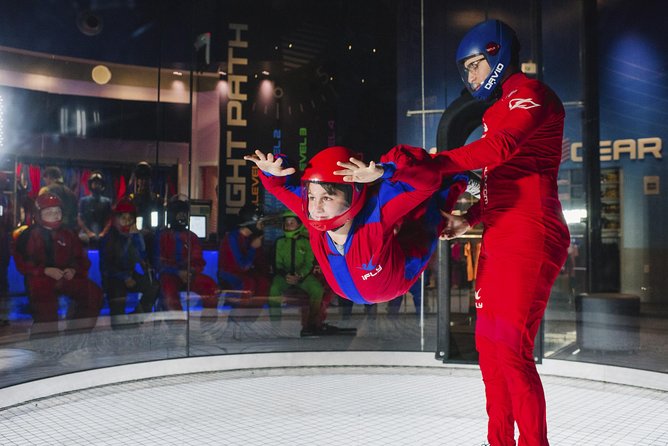
- Two 60-second flights in the wind chamber for first-time flyers, plus training and gear
- Instructor stays with you the whole time, so you are not figuring it out solo
- Stable airflow at high speed (reported 130 to 175 mph) that supports safe floating
- Flight-position basics first, so your body learns the basics before you try to “fly”
- A personalized flight achievement certificate for the fun souvenir factor
Narrowing it down? These start from Portland as well:




What You Actually Do at iFLY Portland (and why it feels real)
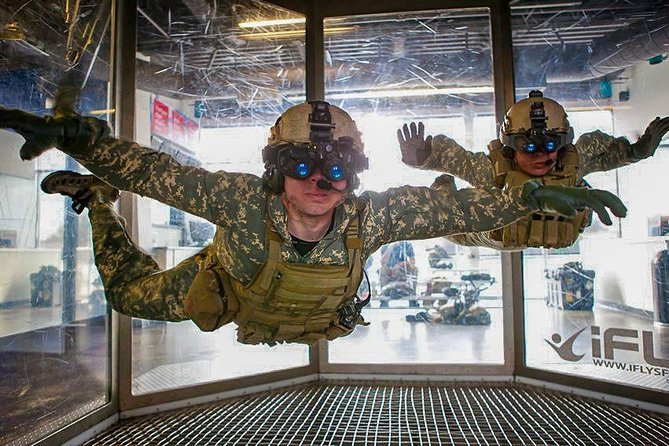
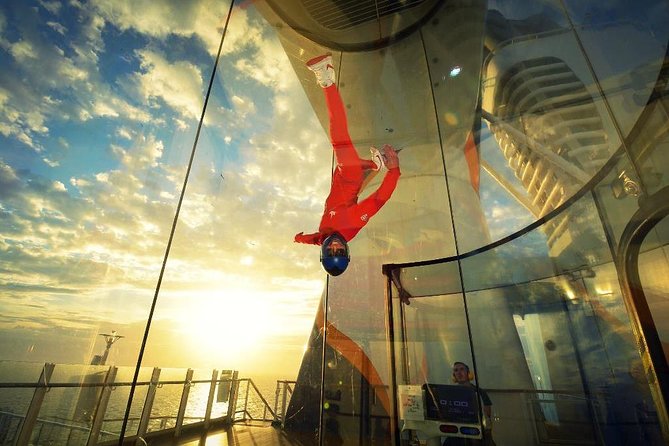
At iFLY in Portland, the whole experience is built around one idea: you can float like a skydiver by riding a vertical column of air. Inside the enclosed chamber, powerful fans pull air through the system, then push it back down the sides, creating a smooth updraft you can control with your body position.
It is not “watch from the sidelines” fun. You go in, you get a quick training session, and then you fly. And because the air column is stable, your instructor can focus on posture cues instead of worrying about you “falling” off balance.
The payoff for most people is psychological. After a few seconds, your brain stops treating it like a weird machine trick and starts treating it like flight. That switch is why folks come back, or at least say they would.
Gear Up: training, suit basics, and the safety reality check
You’ll arrive at iFLY Portland (10645 SW Greenburg Rd, Portland, OR 97223) and start with gear and training right away. First-time flyers do a specialized training session from a flight instructor. This is where they teach you safe body positioning so you can stay stable once the wind ramps up.
You’ll wear a flight suit over your clothes. This is not for fashion. The fit helps the instructor spot and guide you if needed, since they’re trained to grasp the handles on your suit.
What to wear
- Well-fitting, lace-up sneakers or running shoes
- Comfortable clothes (casual works best), preferably pants and a shirt without a collar
- If you have long hair, expect instructions to braid it and keep it in a low bun
What to leave alone
Remove items that could flap or loosen, like earrings, necklaces, bracelets, watches, rings, and hair accessories. Empty your pockets too. Lockers are available, but the easiest move is leaving valuables at home.
The restrictions are strict, for good reason
This is an active experience with medical and weight limits. You will not be able to fly if you have previous neck or back issues, heart problems, shoulder dislocations, are pregnant, or are wearing a hard cast.
Weight limits are also in place:
- You must be under 300 lbs.
- If you’re between 260 and 300 lbs, you’ll need local staff evaluation at check-in. Additional restrictions may apply.
Kids can fly starting at age 3, but if you are under 18, a parent or guardian must sign the waiver.
If any of the health categories above apply to you, it is better to take the no rather than try to “stretch the rules.” This place is trying to protect both you and the instructors in the tight chamber environment.
The 75-Minute Flow: from check-in to two quick flights
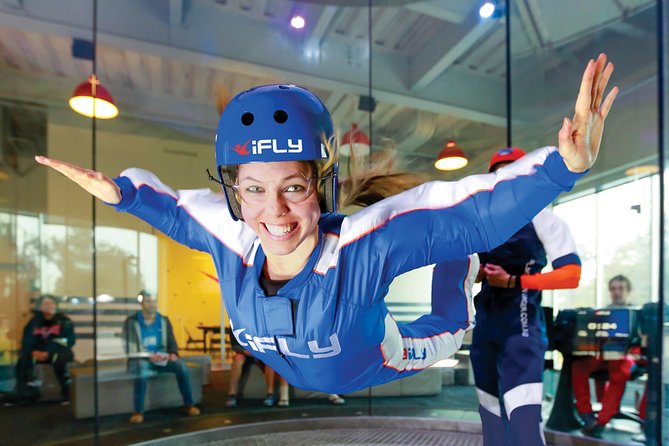
Plan on about 75 minutes from start to finish. The session format is designed so you don’t spend all day waiting in a lobby.
A typical session includes up to six people in that session slot, and everyone flies one at a time with the instructor. The overall group size cap for the activity is listed as 12 travelers, so you likely won’t be alone, but you also should not feel buried in a huge crowd.
Here is what the timing means in real life:
- Check-in and gear happens first, then training.
- Then you enter the wind chamber for a first flight.
- After that short flight, you get a second flight later in the session, again for about 60 seconds.
Two short flights might sound too brief until you realize what you are learning. You are getting repeat practice, not just one moment of adrenaline. Most people leave thinking, that was the learning curve, and then the second run feels smoother.
Another way to take the same day out of Portland:
- Mt Hood Day Trip from Portland to Multnomah Falls and Hood River
★ 5.0 · 695 reviews - Columbia River Gorge Waterfalls & Mt Hood Tour from Portland, OR
★ 5.0 · 585 reviews - Portland’s Original Delicious Donut Adventure & Walking Food Tour
★ 5.0 · 533 reviews - Willamette Valley Wine Tour with Lunch
★ 5.0 · 503 reviews
Inside the chamber: how the wind ramps up and how to breathe
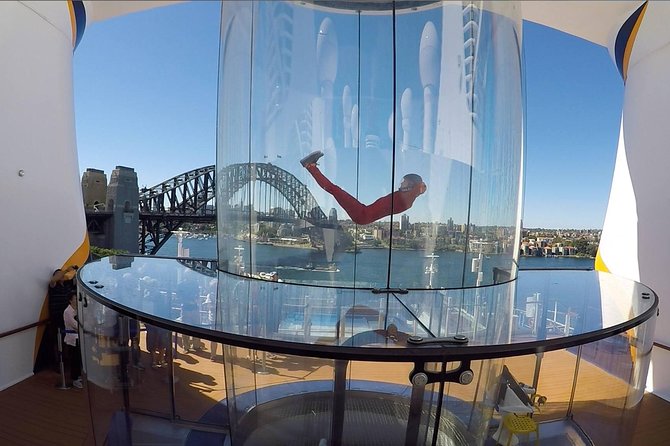
Once you’re in the flight chamber, the wind speed slowly increases. The goal is to bring you from “steady airflow” into “full-on vertical wind” where you can truly float.
The wind speeds are described as reaching 130 to 175 mph (209 to 282 kph). That number is big. The sensation is even bigger. On your first flight, you might feel intense wind in your face, and it can take a few seconds to adjust your breathing and relax your posture.
Here’s the practical trick: you do not need fancy breathing. They compare it to the sensation of sticking your head out of a car window while driving. Breathe normally through your mouth or nose, and focus on staying calm while your body learns the stable position.
Also, expect your instructor to give real-time cues. Feedback from iFLY Portland sessions highlights that instructors are patient and encouraging, which matters because your first instinct is often to tense up. When you relax, you usually do better quickly.
And yes, it is adrenaline. You are going to feel it. But because you are not jumping from a plane and you are supported by the airflow column, the experience is more controlled than people picture. That is the point.
Two one-on-one flights: why the “short” timing works
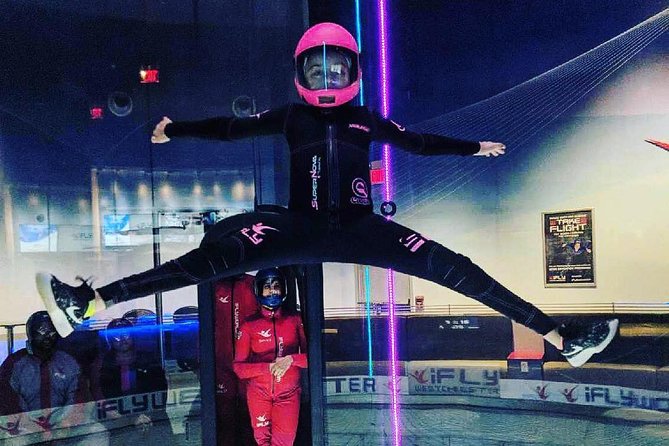
Each tunnel flight is 60 seconds, and you do it twice. That might sound like a commercial gimmick until you realize how the training and safety structure is built.
First flight:
- You learn your starting position.
- You adjust to wind feel.
- You get guided for stability.
Second flight:
- Your body remembers the first run.
- You can focus more on refining posture instead of just staying comfortable.
- You get a “repeat and improve” experience.
In feedback from this Portland location, a recurring theme is that the instructors make the moment feel safe and manageable. People describe feeling in good hands, and they often call out how patient the coaching is when they feel overwhelmed by the wind at first.
If you are doing this for a birthday, a “bucket list” attempt, or just a fun dare, two runs is a sweet spot. You get enough time to feel the thrill, plus enough repetition to feel accomplished.
Your flight certificate: the souvenir with real meaning
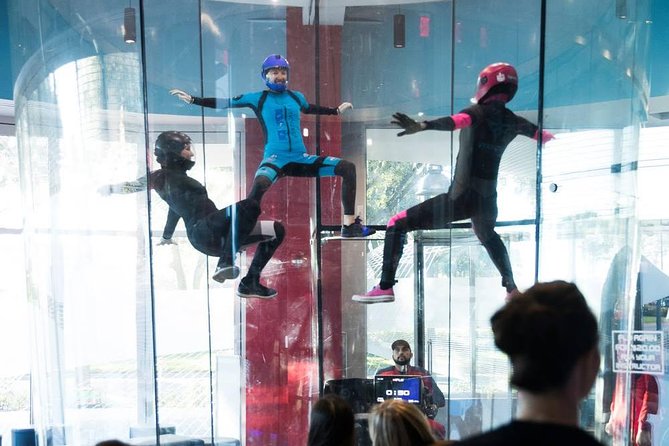
You get a certificate of flight achievement. It is not just paper. It is proof that you did the thing, with a record of the session accomplishment.
For a lot of people, that is the best part to take home because it turns a short adrenaline event into a personal milestone. It also helps if you are going with family and friends, since you can share something tangible after the flight.
It’s a small detail, but it is the kind you’ll keep in a drawer instead of tossing. And if you are gifting the experience, it gives you something that feels complete even after the wind settles down.
Price and value: what $99 gets you (and what it doesn’t)
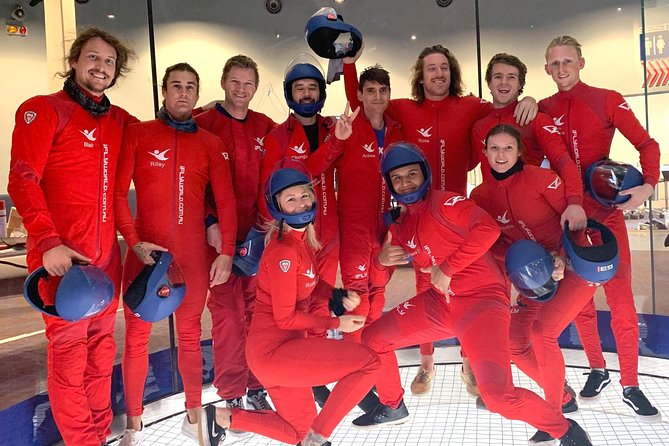
At $99 per person, you’re paying for more than time in a chamber. You’re paying for:
- two flights (60 seconds each)
- training and all gear
- one-on-one guidance from a certified instructor
- a flight achievement certificate
What you are not paying for is also important. Hotel pickup and drop-off are not included, and food and drinks are not included.
Is it good value?
For most people, yes, because you are not booking a vague “watch others” experience. You are getting structured coaching and repeat flight time, and the facility supplies the safety setup through gear and instructor support. If you compare it to anything that requires specialized staff and equipment plus real-time guidance, $99 feels like a straightforward entry ticket into a very high-energy activity.
The smartest budgeting move is to treat this like an experience on its own, not a full-day tour. Plan a simple arrival, a short session, then move on with the rest of your day.
Customer service and scheduling reality: the only area to be careful
One downside that pops up is customer service and appointment coordination when plans change. In at least one case, there was trouble getting the right communication during a Saturday scheduling issue, and the resolution took longer than expected.
So here is my practical advice: when you book, lock in your time and show up. If you think you might need to reschedule, plan to handle changes directly with the location as soon as you can. Do not wait until the last minute.
If everything goes smoothly, you probably will not think about customer service at all. But if you are juggling a tight weekend schedule, this is the area where you should be a little more alert than you would for a low-stress activity.
Who should do this, and who should skip it
This is built for “most people can do it.” No prior experience is required, and the training covers the basics so you can safely float.
It is a great fit if you:
- want a thrill that is easier than jumping out of a plane
- like guided instruction and clear safety steps
- are looking for a fun group activity where you still get one-on-one time in the chamber
- want a memorable souvenir beyond photos
It may not be a good fit if you:
- fall under the medical restrictions listed (neck or back issues, heart problems, shoulder dislocations, pregnancy, hard cast)
- exceed weight limits (over 300 lbs, and the 260 to 300 lbs range requires extra evaluation)
- want a calm, quiet activity. The wind is loud and physical, even if it feels controlled.
For families, note the minimum age is 3. Kids under 18 need a parent or guardian to sign the waiver. And if you have a mixed group, you can bring people to watch from the observation area.
Where it shines most: anniversaries, birthdays, and first-timers with nerves
This is an ideal “first-timer” activity because your instructor is with you the whole time, and you get training before your flight. That matters if you are nervous or you do not consider yourself athletic.
Anecdotes from this Portland location also show it works as a grandparent outing, a solo birthday treat, and a group celebration. People mention feeling excited, encouraged, and even motivated to return for another go once they get the hang of it.
If you are the type who gets nervous in unfamiliar settings, lean on the training. It is not about being fearless. It is about listening and letting your body learn the position.
Should you book the Portland iFLY wind tunnel flights?
Book it if you want a high-adrenaline experience that is structured, instructor-led, and actually doable for first-timers. The two one-on-one flights plus the training make it feel worth it, and the certificate gives you something to take home.
I would think twice or skip it if you have any of the listed health conditions, fall into the weight restriction zones without being cleared at check-in, or you are likely to miss your appointment time. The best version of this experience is the calm version, where you arrive ready, listen, and let the instructor guide you.
If you go, wear the right shoes, tie your hair back, leave flapping jewelry at home, and give yourself permission to feel a face-full of wind for the first few seconds. Then you’ll be doing what everyone hopes for, floating and smiling before you know it.
FAQ
How does the iFLY wind tunnel flight work in Portland?
A vertical wind tunnel moves air in a vertical column. Fans at the top draw air through the flight chamber and then push it back down the sides, creating a smooth column of air that allows you to float safely.
How long is the Portland wind tunnel experience?
It takes about 1 hour and 15 minutes from start to finish, roughly. Some info also notes the first-time flyer experience can take about 1.5 hours total.
How long are the flights inside the tunnel?
Each tunnel flight lasts 60 seconds.
Do I fly one-on-one with an instructor or with a group?
You’ll be part of a group session, but you fly one at a time in the flight chamber. You get one-on-one guidance from a certified flight instructor.
Is a training session required before my first flight?
Yes. First-time flyers must take the training class, which includes important safety information and pre-flight practice of your flying position.
What is the minimum age to participate?
The minimum age is 3 years old.
Are there any health or injury restrictions?
Yes. You will not be able to fly if you have previous neck or back injuries, heart conditions, shoulder dislocations, are pregnant, or are wearing a hard cast.
Are there weight restrictions?
Participants must weigh less than 300 lbs. Flyers who weigh between 260 and 300 lbs will need to be noted at checkout and may require evaluation by local staff.
What should I wear for the experience?
Wear well-fitting, lace-up sneakers or running shoes and comfortable clothes. It is recommended to wear pants and a shirt without a collar. You will wear your flight suit on top of your clothes.
Can friends or family watch without participating?
Yes. If someone chooses to come to watch, they can accompany you through your experience and watch from the observation area.
New in the bridge city
- Visit the Oregon Coast from Willamette Valley★ 5.0 · 1 review
- Private Columbia River Gorge Half-Day Tour★ 5.0 · 1 review
- Private Portland City/Gorge Waterfalls Tour★ 1.0 · 1 review
- Private Afternoon Portland City Tour★ 5.0 · 1 review
- Private Group Tour up to 11 of Columbia River Gorge & Waterfalls from Portland★ 5.0 · 1 review
- Explore Portland Thrift Shops!★ 5.0 · 1 review