
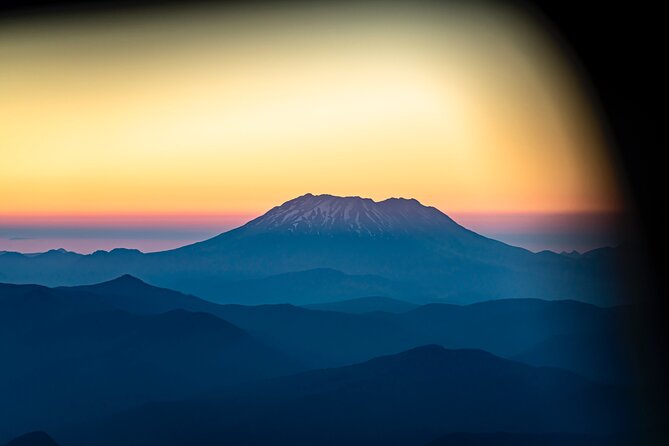
Reviewed · PORTLAND HELICOPTER TOURS
Volcano & Mountain Air Tour by Envi Adventures
Three volcano loops, all in the air. This Mt. St. Helens, Mt. Hood, and Mt. Adams flight is a fast way to see the Pacific Northwest from above, including a close pass that lets you peek into the crater area, then keep rolling with crisp mountain views and photo chances.
Two things I really like: you get an all-passenger window seat, and you’re provided individual headsets so you can actually hear the pilot as the scenery changes minute by minute. With a maximum of 5 travelers, it also feels more like a guided flight than a cattle-car tour.
One drawback to consider is weather. This runs on good conditions, and the total time is about 2 hours, so you get loops and angles, not long hangs at any single peak.
In This Review
- Key highlights before you book
- Where you fly from: Troutdale timing and what 2 hours really means
- Mt. St. Helens crater stop: the best reason to choose this flight
- Mt. Hood from above: Oregon’s tallest mountain, from a better angle
- Mt. Adams and the Pacific Northwest feel: the payoff after the wow-moments
- Comfort and setup: window seats, headsets, and a small-group vibe
- Pilots and communication: why J.P. and John matter in the experience
- Price and value: what $458.10 buys you in the sky
- Logistics that can surprise you: weights, arrival time, and weather
- Who this tour fits best, and who might want a different plan
- Should you book the Volcano & Mountain Air Tour?
- FAQ
- How long is the Volcano & Mountain Air Tour?
- How much does it cost?
- Where is the meeting point?
- Is there a maximum group size?
- What’s included in the tour?
- Do they use planes or helicopters?
- What language is the tour offered in?
- How early should I arrive?
- Are there weight limits?
- What happens if weather is poor?
Key highlights before you book
- Mt. St. Helens crater views from the plane: you’ll fly past, peek into the crater area, then circle for photos.
- All passengers get a window seat: fewer “share the view” moments, better odds for your best shot.
- Small group, max 5 travelers: more room for questions and a calmer cabin feel.
- Headsets included: you can follow what the pilot is pointing out during each pass.
- A tight 2-hour circuit: three major mountains, packed into one flight.
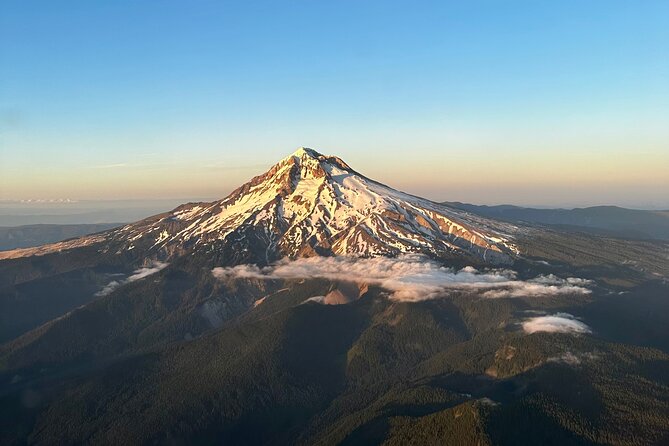
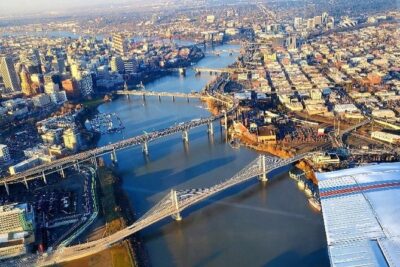
More flights over the river and the mountain:

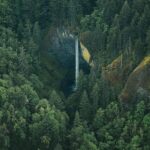
Where you fly from: Troutdale timing and what 2 hours really means
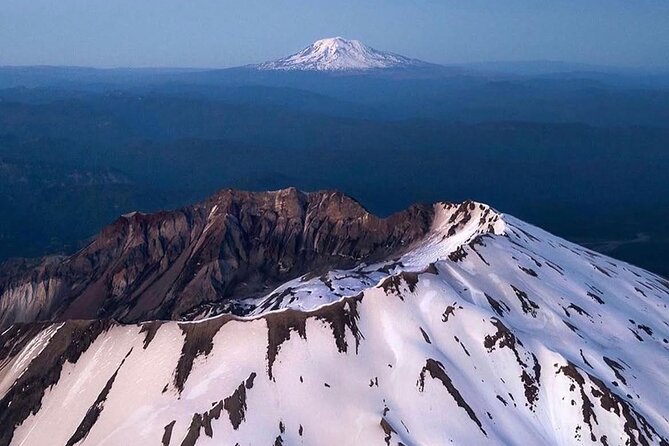
This tour starts at 1350 NW Perimeter Way, Troutdale, OR 97060, and it ends back where you begin. Plan to arrive at least 30 minutes early. In a small airplane, that buffer matters because everyone needs to get settled, and the pilot needs the schedule to be smooth.
The whole experience is about 2 hours, so it’s best thought of as “a mountain circuit in the sky” rather than a slow sightseeing cruise. You’ll get multiple passes and changing perspectives, which is exactly what flying does well. If you like the idea of seeing a lot in a short window, you’ll probably feel like you got your money’s worth. If you want a long, unhurried hang over one spot, this format may feel brief.
Also, this is offered in English, and you’ll be flying in a plane, not a helicopter. Plan for a typical small aircraft feel: you’ll want to keep your jacket handy and your camera ready, but you won’t be hiking or doing anything that requires lots of walking.
Mt. St. Helens crater stop: the best reason to choose this flight
Mt. St. Helens is the headline, and the itinerary treats it that way. You’ll fly past it with standout views, then you’ll get a chance to peek into the crater from above, followed by flying around the mountain for more photo angles.
Why this works so well from your seat: from the ground, volcano views can be blocked by ridgelines, trees, and distance. From the air, you get scale fast. The crater look is the kind of view that feels instantly real, because you’re seeing the shape directly, not just interpreting it from a distant viewpoint. That’s also where a window seat becomes more than a perk. It helps you keep your camera framed without playing musical chairs with views.
A practical tip: bring your camera settings ready before you board. Bright daylight can flip quickly over snow or rock, and windows can add glare. Even if you’re not a pro photographer, you’ll stand a better chance of getting clean shots if you’re prepared to adjust on the fly.
One more thing I like about this stop is the pacing. You’re not only looking at the volcano once. You get the fly-by, then the crater moment, then another angle around the mountain. That sequence gives you choices: you can shoot wide for context, then shoot tighter for the crater area when the opportunity lines up.
Mt. Hood from above: Oregon’s tallest mountain, from a better angle
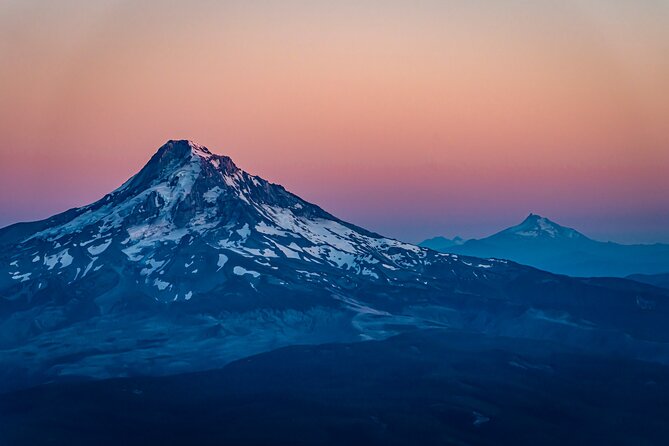
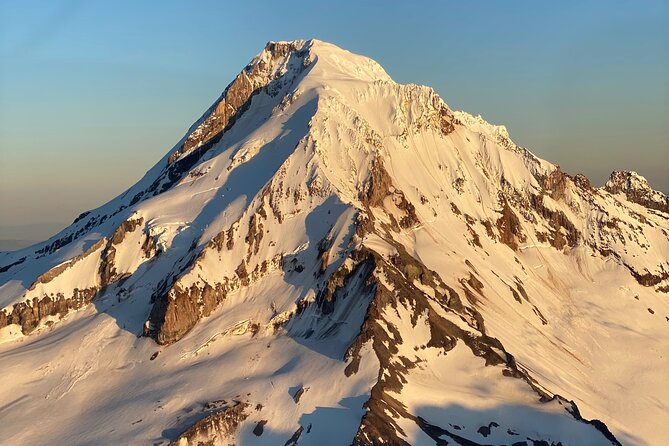
After Mt. St. Helens, the flight turns to Oregon’s tallest mountain, Mt. Hood. You’ll circle it, which is the key detail. Instead of seeing Hood as a distant peak, you’re getting a viewpoint that wraps around the mountain, which usually makes the shapes and ridges easier to read.
Mt. Hood is popular from the ground because it’s dramatic and it’s easy to spot. But in the air, the mountain’s features look different. You can often see how snowfields, rock lines, and surrounding ridges relate to each other. That’s the kind of perspective you simply can’t replicate with a standard roadside photo stop.
If you travel as a family, this is usually the “wow” stretch for kids because it feels like you’re watching the mountain rotate in front of you. For adults, it’s a good moment to ask the pilot questions, since the plane’s position changes enough that the answers land clearly.
Potential consideration: the views are weather-dependent. Clouds can swallow the top half of a mountain, even if the lower areas still look good. If you’re coming in expecting a perfect view of every summit detail, keep your schedule flexible. This tour is designed for good conditions, and that’s where it shines.
Mt. Adams and the Pacific Northwest feel: the payoff after the wow-moments
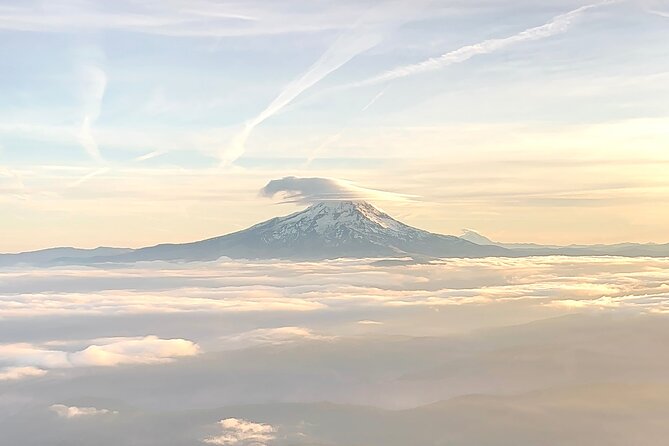
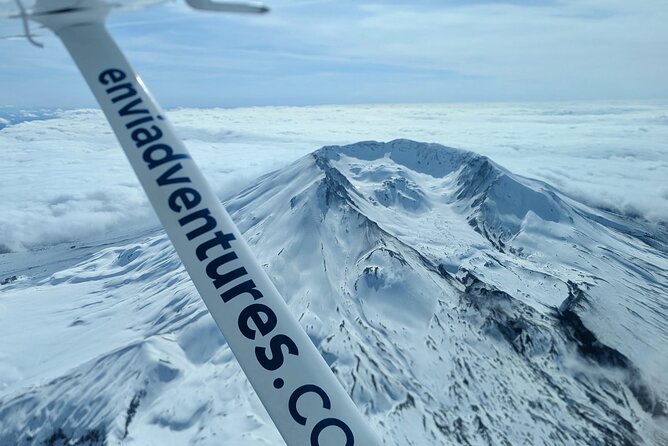
The final major stop focuses on Mt. Adams, one of the Pacific Northwest’s most popular peaks. The concept here is simple: after you’ve already had the big crater and the tallest-mountain circuit, the flight shifts to another major landmark and keeps the momentum going.
This is where the trip becomes more than just three dramatic mountains. In a short flight, you start to recognize how the region “connects” visually. You can see the way peaks and valleys relate, and how the terrain changes across the area you’re flying over. For many people, that’s the real value of air travel here. You’re building a mental map quickly, and you’re doing it with the scale right in front of you.
From a practical standpoint, this portion is a great time to slow down. Keep taking photos, but also give yourself a few seconds to look without the camera. The plane is small and the group is limited, so it’s easier to stay focused on what’s happening outside the windows.
Also, note that this tour is described as an air tour with the goal of photo-ready views. So while you’ll likely see different angles over the entire flight, you’ll also want to be ready for the moments where the mountain lines up best for pictures.
Another way to take the same day out of Portland:
- Multnomah Falls and Columbia River Gorge Half-Day Hiking Tour
★ 5.0 · 2,108 reviews - Columbia River Gorge Waterfalls Tour from Portland, OR
★ 5.0 · 1,278 reviews - Multnomah Falls and Columbia River Gorge Waterfalls Tour Morning
★ 5.0 · 913 reviews - Full-Day Guided Oregon Coast Tour from Portland
★ 5.0 · 816 reviews
Comfort and setup: window seats, headsets, and a small-group vibe
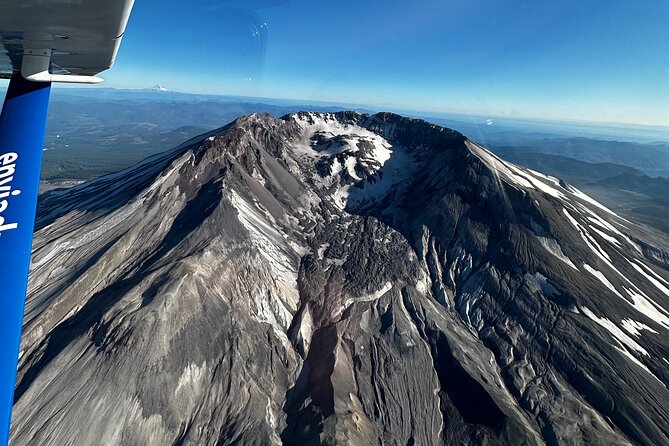
This is set up to reduce common “flight tour frustration.” You get individual headsets, and you get a window seat. That combination is a real quality-of-life upgrade. Headsets mean you can hear the pilot’s explanations during each turn, and window seats mean nobody has to “listen from one side of the plane.”
The max group size is 5 travelers. In practice, that matters because it keeps the cabin calm and manageable. You’re not squeezed in with a big group, and you’re less likely to feel like you missed a prompt because someone blocked your view.
A few other helpful details:
- The meeting point is near public transportation, which can make it easier if you’re not driving.
- It’s in English, so you can follow the pilot’s commentary without guessing.
- Confirmation comes at booking, which helps you plan with confidence.
If you’re bringing a family, read the child rule: children must be accompanied by an adult. That’s a straightforward policy, but it’s worth planning so nobody shows up expecting to be able to ride without an adult.
Pilots and communication: why J.P. and John matter in the experience
In air tours, the pilot’s role is bigger than you might expect. You’re not just moving through space, you’re getting guidance that turns the flight into something you can learn from. In the feedback and examples you’ve seen, the pilots like J.P. and John come across as calm and in control, with a habit of answering questions clearly.
When the pilot communicates well, you get two benefits:
- You know what you’re looking at (even if you’re not a geology nerd).
- You can time your photos more accurately, because you understand when the best view is coming.
Also, the flight being “laid back and professional” matters. That phrase tends to describe the difference between a rushed script and a pilot who can slow down for real questions. In a small group of 5, it’s often easier for you to ask something and get a direct answer.
One more practical note: because everyone has a headset, don’t treat the audio as optional. Use it. The best photos usually come when you understand what you’re trying to capture.
Price and value: what $458.10 buys you in the sky
At $458.10 per person for about 2 hours, this isn’t a bargain-basement activity. It’s also not trying to be. The value is in what you’re buying: a small-group flight over some of the most famous peaks in the Pacific Northwest, with close approaches like the Mt. St. Helens crater moment, plus included gear like headsets and guaranteed window seats.
Here’s how I’d think about the price in real terms:
- You’re paying for time in the air, not just narration. Flight time is expensive, and you’re getting a circuit that hits multiple major mountains.
- You’re paying for comfort and clarity. Included headsets and window seats prevent the usual “tour mismatch,” where the narration is great but you can’t see.
- You’re paying for small-group access. A max of 5 travelers means less crowd pressure and easier question time.
One more value hint from people who’ve done the longer or expanded versions: an add-on upgrade can be worth it if you want more stops. The key takeaway for you is to compare your priorities. If Mt. St. Helens, Hood, and Adams are exactly what you came for, this core flight covers them. If you want a bigger hit list of landmarks, you may want to ask about options that extend the route.
Finally, timing matters. These flights average about 37 days booked in advance, which tells me they fill up. If your dates are firm, I’d book earlier rather than later.
Logistics that can surprise you: weights, arrival time, and weather
A few details here can affect whether the flight runs smoothly for you.
Arrival time: plan to be there at least 30 minutes prior. Small-group flights don’t like late arrivals.
Weight limits: you must provide weights for all passengers when booking. There’s also a cap based on group size: 600 pounds per group of 3, or 925 pounds per group of 5, with individual weights not to exceed 250 pounds. If you’re traveling with multiple adults or you’re not sure how the math works, double-check when you book. It’s better to solve it early than to get stuck at the start line.
Weather: the tour requires good weather. If it’s canceled due to poor conditions, you’ll be offered a different date or a full refund. This is one of those travel moments where flexibility is power. If you’re arriving in Oregon with only one tight day, you may feel disappointed if clouds roll in.
Mobile ticket: you’ll use a mobile ticket. Have it accessible offline in case service is spotty near the departure area.
Who this tour fits best, and who might want a different plan
This tour is a great match if you want major Pacific Northwest peaks in a short block of time, and you care about seeing them clearly from a window seat with headsets.
It’s especially good for:
- Families looking for a high-impact activity that doesn’t involve hiking.
- Couples who want something memorable without spending all day on the road.
- Visitors who already did some ground viewpoints and want a new perspective fast.
You might think twice if:
- You hate anything weather-driven and you can’t shift your schedule.
- You need long stops at one location, instead of a moving circuit in the air.
- Your group has constraints around the aircraft weight limits, since that can limit who can fly together.
If you’re on the fence, I’d make the decision based on one question: do you want the crater-and-circling experience from a plane? If yes, this tour style fits.
Should you book the Volcano & Mountain Air Tour?
I’d book it if you want a tight, small-group flight that hits Mt. St. Helens crater views, a full circle around Mt. Hood, and a strong finish with Mt. Adams. The included gear, especially window seats and individual headsets, makes the experience easier to enjoy right away.
I’d pause if your dates are rigid or if your group might have trouble with the weather requirement or the weight limits. In those cases, you’ll be happier with a plan that can’t be canceled by clouds.
FAQ
How long is the Volcano & Mountain Air Tour?
The flight is approximately 2 hours.
How much does it cost?
The price is $458.10 per person.
Where is the meeting point?
The tour starts at 1350 NW Perimeter Way, Troutdale, OR 97060, USA, and it ends back at the meeting point.
Is there a maximum group size?
Yes. This tour/activity has a maximum of 5 travelers.
What’s included in the tour?
Included are individual headsets and window seats for all passengers.
Do they use planes or helicopters?
This is operated with airplanes, not helicopters.
What language is the tour offered in?
The tour is offered in English.
How early should I arrive?
All passengers are required to arrive at least 30 minutes prior to the start time.
Are there weight limits?
Yes. Group weight cannot exceed 600 pounds per group of 3, or 925 pounds per group of 5, and individual weights must not exceed 250 pounds per person. You’re also asked to provide weights for all passengers when booking.
What happens if weather is poor?
This experience requires good weather. If it’s canceled due to poor weather, you’ll be offered a different date or a full refund.
New in the bridge city
- Visit the Oregon Coast from Willamette Valley★ 5.0 · 1 review
- Private Portland City/Gorge Waterfalls Tour★ 1.0 · 1 review
- Private Columbia River Gorge Half-Day Tour★ 5.0 · 1 review
- Private Afternoon Portland City Tour★ 5.0 · 1 review
- Private Group Tour up to 11 of Columbia River Gorge & Waterfalls from Portland★ 5.0 · 1 review
- Explore Portland Thrift Shops!★ 5.0 · 1 review
Portland Helicopter Tours, compared.
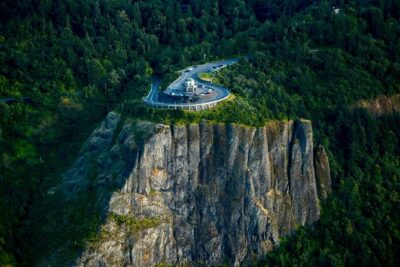
Stunning Air Tour of the Columbia River Gorge by Envi Adventures
Read our review →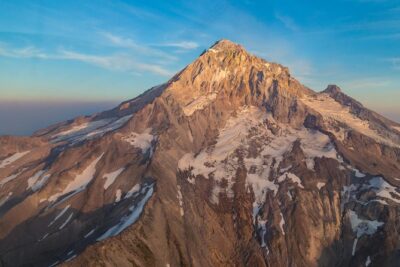
Mount Hood & Columbia River Gorge Air Tour by Envi Adventures
Read our review →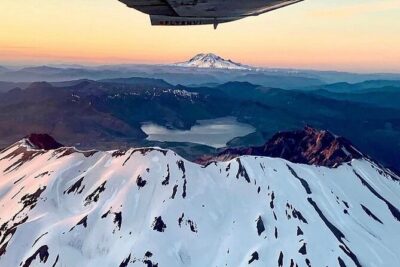
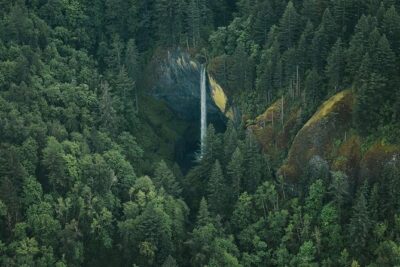
Multnomah Falls Waterfall Air Tour by Envi Adventures
Read our review →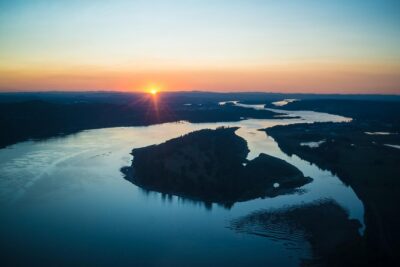
40 Minute Multnomah Falls & Waterfall Air Tour by Envi Adventures
Read our review →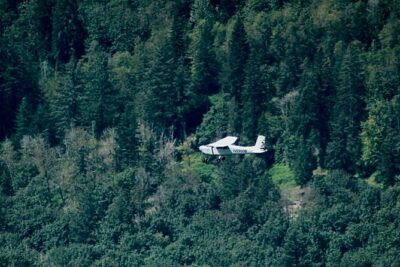
Mt. Hood & Multnomah Falls Air Tour by Envi Adventures
Read our review →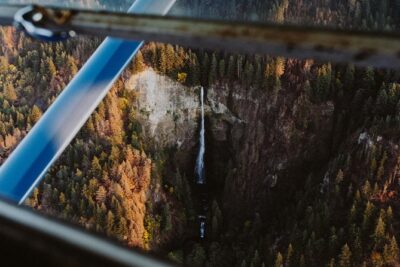
Multnomah Falls & Columbia River Gorge Tour by Envi Adventures
Read our review →Browse the lists this tour appears in